


Using a casino website on a phone should be straightforward, but convenience can hide important differences between a responsive browser service and a dedicated mobile app. For Canadian readers comparing casino lussurio, the practical question is not simply whether pages open on a smartphone. It is whether the site remains clear, secure and usable when connection quality changes, screens are small, and account information must be checked quickly. A careful mobile review therefore looks at browser compatibility, navigation, privacy, payment visibility and recovery options rather than relying on an app-store label.
Does a mobile browser provide the same practical access?
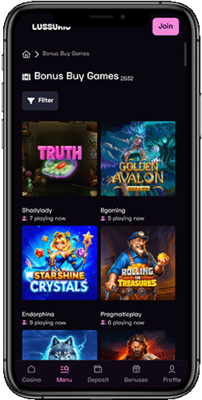
The available information describes an instant-play website designed for modern smartphone and tablet browsers. That means users can browse the casino catalogue, open live-dealer sections, view promotions, access account areas and reach cashier functions without a desktop computer. A browser-based service can be useful for people who switch between devices because there is no separate installation process to repeat on each phone or tablet.
Browser access is also different from a native application. Some directories describe an application, but no verifiable iOS App Store or Android Google Play listing has been established in the available material. Readers should therefore avoid assuming that a downloadable app exists simply because a website is advertised as mobile-friendly. A genuine app normally has an identifiable store publisher, a visible update history and permissions that can be reviewed before installation.
This distinction matters for both convenience and security. A mobile website is opened through the phone’s browser, while an app is installed and may request access to device functions. Neither option is automatically safer. The sensible approach is to use the official web address, check that the browser shows the correct domain before entering credentials, and avoid unofficial download files or links shared through messages. If a page suddenly redirects elsewhere, close it and return through a trusted bookmark rather than continuing.
How should the small-screen layout be assessed?
A responsive layout should make essential controls visible without forcing constant zooming or sideways scrolling. On a phone, pay attention to whether category menus open cleanly, whether game titles remain readable, and whether buttons are spaced far enough apart to prevent accidental selections. A crowded interface can make it difficult to distinguish a promotional message from an account control, especially when several panels appear one after another.
Navigation is easier to judge by completing a few ordinary tasks rather than viewing the home page alone. Open a game category, return to the main menu, locate the account area, and check whether support information can be found without using the browser’s back button repeatedly. Look for clear labels for slots, live casino, jackpots and other categories. Provider browsing can be helpful on a small screen because it narrows a large catalogue without requiring users to scroll through every title.
Screen size can also affect how clearly important terms are displayed. Promotional conditions, wagering requirements, game exclusions and account notices should be readable before accepting anything. If text is compressed, hidden behind a small icon or difficult to select, rotate the phone or enlarge the page before making a decision. A convenient interface is not necessarily a transparent one, so mobile usability should include the ability to inspect information, not merely launch games quickly.
What changes when the connection is weak?
Mobile browsing often takes place on public Wi-Fi, crowded networks or changing cellular connections. Pages may load in stages, images may appear late, and a session can expire while a user is moving between networks. These interruptions are inconvenient during ordinary browsing, but they deserve extra caution around account pages and cashier screens. Do not repeatedly submit a form when the first attempt appears frozen; confirm the account history or transaction status first.
Performance can vary by device as well as by network. Older phones may struggle with animated game lobbies or live-dealer video, while a smaller data plan may make media-heavy pages expensive to load. Closing unused tabs, updating the browser and keeping the operating system current can improve general stability. It is also wise to avoid using a public computer or an unsecured shared device for account access, even if the phone experience seems smooth.
Canadian users looking for broader online-safety advice can consult the Canadian Centre for Cyber Security. Its guidance is not confirmation of any casino’s security controls, but it provides useful general principles for protecting accounts and devices. In practice, use a private connection where possible, enable the phone’s screen lock, install browser updates, and sign out after using a shared device. Never save credentials on a device that other people can access.
Which mobile checks matter before account use?
A mobile-friendly page should make account requirements understandable before a user commits funds or begins using promotional features. Registration information is expected to include accurate personal and contact details, while identity checks may later require government-issued identification, proof of address and evidence that a payment method belongs to the account holder. On a phone, these requests can be harder to review because document-upload instructions may be displayed in a narrow window.
Before submitting personal information, inspect the address bar and confirm that the connection is using HTTPS. Check whether the page explains what information is requested and whether support details are available if an upload fails. Avoid sending identity documents through an unverified social-media account or an email address copied from an unofficial directory. If the site asks for additional information after a failed attempt, compare the request with the stated account terms before responding.
Recovery is another important mobile test. The available material refers to a login recovery flow and customer support, but the exact recovery screens and authentication options are not consistently documented. Users should record the correct support route before an account problem occurs and keep contact details current. If a phone is lost, change passwords from a trusted device, review active sessions where that option exists, and contact support promptly if access or account information appears unfamiliar.
How can mobile convenience be balanced with control?
Mobile access makes it easy to browse during short breaks, but that convenience can encourage hurried decisions. A small screen, fast-loading games and persistent promotional panels may reduce the time spent reading terms. Separate browsing from funding decisions: first investigate categories and conditions, then decide whether the service is suitable. Do not treat the ability to open a page quickly as evidence that an offer is affordable or worthwhile.
Account controls can provide a practical counterbalance. The available information lists deposit, wagering, loss, time and session limits, along with reality checks, cooling-off periods and self-exclusion. These tools are intended to manage access, but users should confirm how each one works, when it takes effect and whether changes require support involvement. Set limits before browsing becomes active play, and do not increase them simply because a mobile session feels convenient.

It is also important to understand the limits of mobile convenience when money or verification is involved. Payment methods, thresholds, review periods and document checks can vary by currency, method and account circumstances. Canadian listings mention CAD support, but that does not remove the need to inspect the current cashier display and applicable terms. If a withdrawal, identity review or account restriction remains unclear, ask support for a written explanation and retain copies of relevant messages rather than relying on memory.
Mobile browsing questions worth asking
Is a mobile website the same as a dedicated app?
No. A mobile website opens through a browser, while a dedicated app is installed from an official store. The available information supports browser access but does not establish a verified iOS or Android listing. Treat claims about an app cautiously, and do not install files supplied through unofficial download pages or messages.
Can mobile users check account and support information?
The mobile experience is described as including account access, promotions and cashier functions, while support is listed through live chat and email. Exact recovery screens are not consistently documented. Before relying on mobile access, confirm that support details, account notices and verification instructions are readable on the device you plan to use.
What is the safest way to browse on a phone?
Use the official domain, keep the operating system and browser updated, and avoid shared or unsecured devices for account activity. Check the address bar before entering credentials, read terms at a comfortable zoom level, and stop if a page redirects unexpectedly. Use account limits before starting rather than after problems arise.